
Impaired Driving Lawyer for DUI Charges and Defence in Ontario
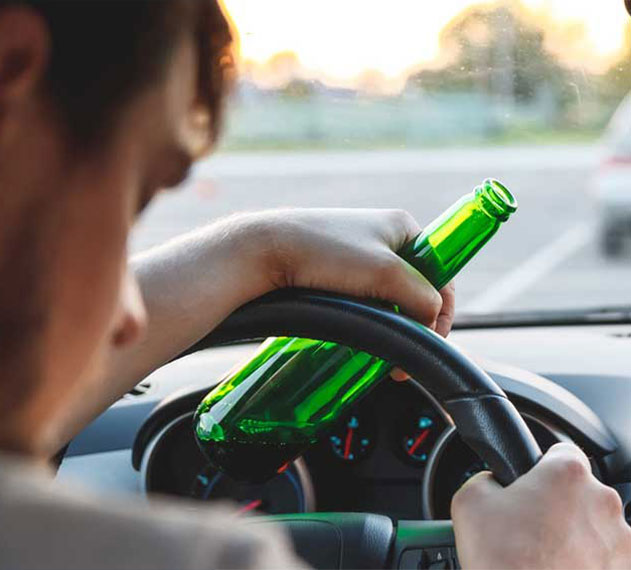
Impaired driving charges can have serious and immediate consequences, including criminal penalties, licence suspensions, fines, and long-term impacts on your ability to drive and work. These cases often move quickly, and early legal guidance can make a meaningful difference in how the process unfolds.
I represent individuals charged with impaired driving and related offences across Ontario. My role is to help you understand the charge, explain the legal process in plain language, and provide focused defence representation based on the facts of your case.
Focused Defence for Impaired Driving Charges
Impaired driving cases often rely on technical evidence, including breath or blood samples, roadside procedures, and police observations. Small details can matter, and how evidence is collected and handled can affect the outcome of a case.
I carefully review the circumstances of the stop or arrest, the testing procedures used, and whether your rights were respected throughout the process.
Types of Impaired Driving Charges I Handle
I represent clients charged with a range of impaired driving related offences, including:
- Impaired operation of a vehicle
- Over 80 or refusal to provide a breath sample
- Drug impaired driving
- Care and control charges
- Driving while prohibited
Each case requires an individualized approach based on the specific allegations and evidence involved.
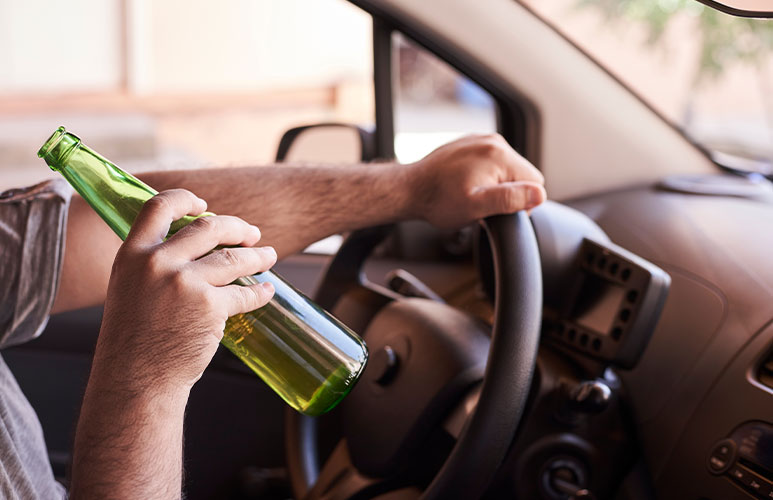
Understanding Impaired Driving Laws in Ontario
Impaired driving offences are governed by federal law, with additional administrative penalties imposed under Ontario legislation. Depending on the charge, consequences may include mandatory minimum penalties, licence suspensions, fines, and driving prohibitions.
I take the time to explain how the law applies to your situation and what you can expect as your case moves through the court system.
Police Stops, Testing, and Your Rights
Many impaired driving cases involve roadside stops, breath demands, or other forms of testing. Whether these procedures were conducted properly can play an important role in a defence.
Part of my role is to review police conduct and testing procedures to determine whether your rights were respected and whether any issues can be raised in court.
Personal Attention and Clear Communication
As a sole practitioner, I handle my cases personally. Clients communicate directly with me rather than through assistants or junior lawyers. I believe clear and reliable communication is especially important in impaired driving cases, where stress and uncertainty are common.
I make it a priority to ensure clients understand their situation and the steps ahead.
Serving Clients Across Ontario
I represent clients charged with impaired driving offences in Ottawa and throughout the Greater Toronto Area. My familiarity with local court procedures allows me to provide informed and practical representation based on where your case is being heard.
Impaired Driving FAQs
What is considered impaired driving in Ontario?
Impaired driving can include operating a vehicle while impaired by alcohol or drugs, driving with a blood alcohol concentration over the legal limit, or refusing to comply with a lawful demand for a breath or blood sample.
Do impaired driving charges always result in a criminal record?
Not necessarily. Outcomes depend on the specific charge, the evidence involved, and how the case is resolved.
Can an impaired driving charge be challenged?
In some cases, yes. Issues related to police stops, testing procedures, or Charter rights may be examined as part of the defence.
What happens to my driver’s licence after an impaired driving charge?
Licence suspensions can occur immediately under provincial law, separate from the criminal case. The length and type of suspension depend on the circumstances.
Will I work directly with my lawyer on an impaired driving case?
Yes. I handle my cases personally, and clients communicate directly with me throughout the process.
Do you accept Legal Aid for impaired driving charges?
I accept Legal Aid Ontario certificates in select cases, depending on eligibility and the nature of the charge.
Can police demand a roadside breath sample without suspecting I have been drinking?
Yes, in some circumstances. Under the mandatory alcohol-screening provision in section 320.27(2), an officer who has an approved screening device in their possession may demand an immediate breath sample from a person operating a motor vehicle while the officer is lawfully exercising police powers, without first developing individualized suspicion of alcohol consumption. Other investigative demands have different legal thresholds.
What happens if I refuse a breath or drug-testing demand?
A knowing failure or refusal to comply with a lawful demand, without reasonable excuse, is a separate criminal offence. For a first conviction under section 320.15(1), the Criminal Code prescribes a minimum $2,000 fine, and Ontario also imposes immediate administrative licence consequences. Whether a refusal offence can be proved depends on the validity of the demand and the circumstances of the alleged non-compliance.
Can I be charged if I was sitting in a parked car?
Yes. The Criminal Code definition of “operate” includes care or control, and section 320.35 creates a presumption of operation where the accused occupied the usual driver’s seat unless the statutory condition for rebutting that presumption is established. The facts surrounding why the person was in the seat and whether the vehicle was intended to be set in motion can become important.
What if I drank alcohol after I stopped driving?
Post-driving alcohol consumption can be legally significant, but it does not automatically defeat an Over 80 allegation. Section 320.14 contains specific statutory exceptions with defined conditions, including what the person reasonably expected after driving and whether the later consumption is consistent with the measured concentration and a lawful concentration at the time of operation. The timeline should be reviewed carefully.
Can an impaired driving charge be successfully defended?
Sometimes. The answer depends on the evidence rather than the label on the charge. Potential issues can include operation, impairment, the legality of police demands, refusal elements, right to counsel, breath or blood evidence, statutory presumptions, disclosure, Charter breaches, and whether the Crown can prove the offence beyond a reasonable doubt. No particular defence is available simply because an impaired-driving charge was laid.
Does AEH Criminal Law accept Legal Aid for impaired driving cases?
AEH Criminal Law accepts Legal Aid Ontario certificates on a case-by-case basis, depending on the nature and complexity of the case, certificate coverage, scheduling, and current capacity.
How long will I lose my licence after an impaired driving charge?
Ontario can impose an immediate administrative suspension before the criminal case is resolved, and a conviction can produce separate Criminal Code prohibition and provincial licence consequences. The length depends on the offence, prior history, offence date, and other factors. Ontario changed several post-conviction requirements on July 1, 2026, so current advice should be based on the rules applicable to your case.